Educational overview only. Prudent Guardian (www.inspirecodingedu.com) is not an insurance company, broker, law firm, or registered investment adviser, and does not provide personalized insurance, investment, tax, medical, or legal advice. Verify details with licensed professionals and official issuers.
That window is the one a person could reach. It is unlatched. You pause mid-step to the front door, work boots scuffing the scuffed linoleum of the hallway, because your neighbor texted an hour ago about a string of attempted break-ins in buildings with accessible fire escapes. Your jacket is slung over one shoulder, iced coffee in your other hand, and you only have three minutes before you miss the bus to your evening barista shift, but this fix takes less than 60 seconds. You set the coffee down on the hallway side table by the door, jacket slipping off your arm to land over the arm of the thrifted velvet chair pushed up against the wall.
Visible Window Hardware Parts
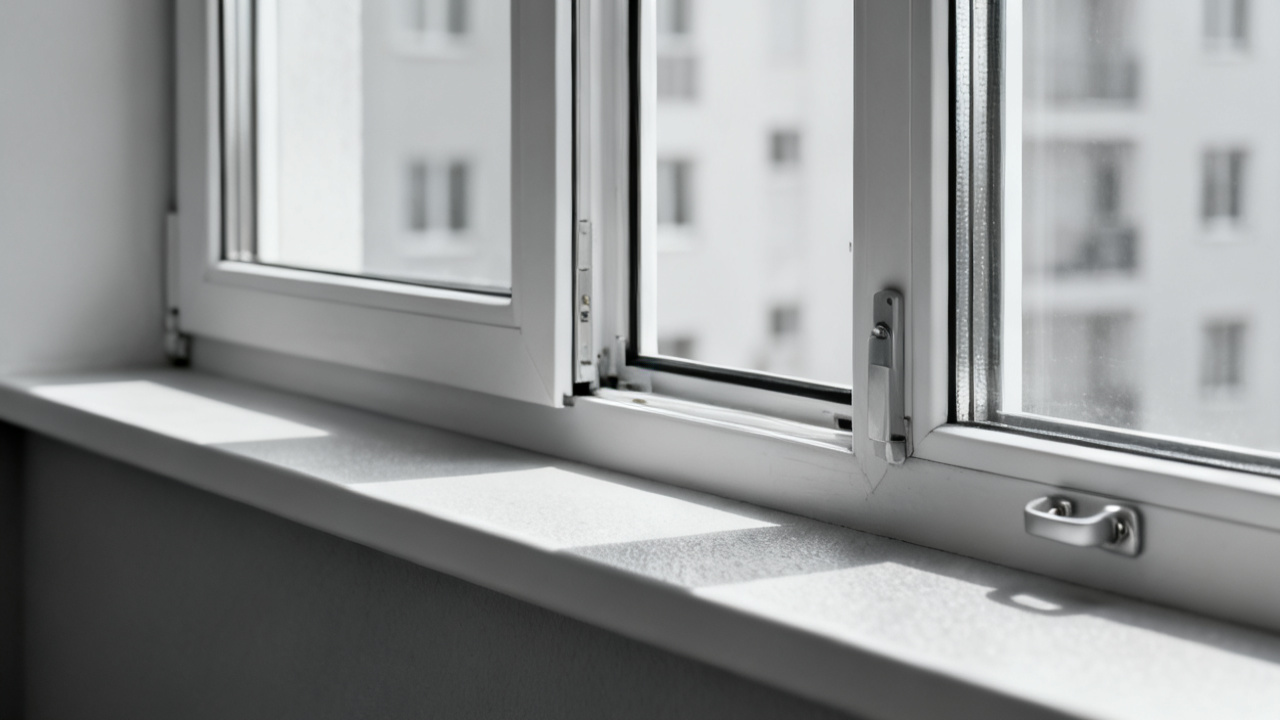
You cross the three feet of hallway to the window that faces the fire escape, leaning in to get a clear look at the hardware mounted to the lower edge of the sash and the matching strike plate fixed to the bottom frame. The small metal hook that slips into the strike plate is hanging loose, pushed to the side when you opened the window yesterday to air out the latex paint fumes from your bedroom accent wall redo. You run a finger along the edge of the sash to check for grit or warping that might keep the latch from seating properly, brushing away a thin layer of dust and a single dead ladybug that got trapped in the frame last week when you left the window open overnight during the warm spell. You don’t see any cracks in the hard plastic latch housing or bent metal on the hook, so you don’t need to dig out your dented toolbox from under the kitchen sink for a replacement part tonight. You notice the small black rubber weather stripping along the sill is still intact, no gaps or peeling sections that would let cold winter air seep in once the window is closed and secured. Faint scuff marks line the strike plate where the latch has slipped in and out hundreds of times since the window was installed, no deep scratches that would indicate someone has tried to pry it open before. The small brass screw that holds the latch housing to the sash is tight, no wiggling when you touch it, so you don’t need to grab a flathead screwdriver to tighten it before you leave. This specific Sill Latch model was installed during the building’s last safety inspection six months ago, so it’s designed to fit snuggly against the strike plate when fully engaged. The glass in the window is intact, no cracks or chips that would make it easy to break to reach the latch from the outside, so you don’t have to worry about that additional risk right now.
Latch Securing Steps
You don’t need any special tools to get this window secured before you leave, just the palm of your hand and a quick visual check to confirm everything is seated properly. Follow these steps to lock the window fully:
- Push the top of the window sash firmly down with the palm of your dominant hand until you hear a soft click that signals the bottom edge is fully seated against the frame, no gaps visible between the sash and the weather stripping along the sill.
- Slide the metal latch hook from its “open” position on the left side of the sash mount to the right, guiding the curved end of the hook into the narrow slot cut into the silver aluminum strike plate fixed to the window frame.
- Push the latch hook all the way into the slot until you feel it click into the locked position, then tug up on the sash gently with one hand to confirm it does not lift more than a fraction of an inch.
- Run your index finger along the edge of the strike plate to make sure the hook is not protruding past the edge of the plate, which would leave a small gap someone could work loose with a flat screwdriver or butter knife from the outside.
- Wipe a thin layer of food-safe silicone lubricant on the edge of the latch hook if it sticks when you slide it, wiping away any excess lubricant with the edge of your jacket sleeve so it does not attract dust and grime over time.
Illustrative example: a properly seated latch will resist up to 22 pounds of upward force from outside the window before it shows any signs of shifting, per basic residential security testing standards. You don’t need to do any formal strength testing tonight, just a quick tug to confirm it’s not loose enough for someone to open with minimal effort. There is no guarantee this latch will hold against intentional forced entry, but it eliminates the easiest, lowest-effort access point for anyone trying to get into your apartment without a key. You run one last finger along the edge of the latch to confirm it’s fully engaged, then step back to make sure there’s no visible gap between the sash and the frame that would signal it’s not fully closed.
Next Routine Window Check
You step back from the window, brushing dust off the knee of your dark wash jeans, and grab your iced coffee off the hallway table, picking up your jacket and slinging it back over your shoulder. The window sits fully closed and latched now, no gap visible between the sash and the frame, and the lowest fire escape rung outside is just out of reach of anyone who would try to pry the window open without heavy tools. You lock your front door behind you, keys jangling as you stuff them in the inner pocket of your jacket, and you make a mental note to check this specific window every time you leave the apartment for more than four hours, as well as every time you close it after opening it to air out the space. The next time you complete this exact job is before you leave for your weekend camping trip out of town next Friday, when you will also check the kitchen window that faces the back alley and the small bathroom window on the second floor of your unit. You add a quick one-line reminder to the notes app on your phone while you wait for the bus at the end of the block, so you don’t forget to run through the quick check before you load your backpack and tent into your friend’s SUV that morning. There’s no need to do a full sweep of every window in the apartment every time you run out for groceries or a coffee run, but this one high-risk access point only takes 30 seconds to confirm is secured, so it fits easily into your pre-departure routine without making you late. You don’t need to buy any special tools or replacement parts for future checks unless you notice the latch is sticking consistently or bent when you test it, at which point you can put in a maintenance request with your landlord to have it swapped out for a new one free of charge, per your lease terms. When you get home from your shift later that night, you give the window one more quick tug to confirm it’s still secured, before you lock the front door behind you and head to the kitchen to heat up leftover pasta for dinner. You make a small mental note to wipe down the window frame the next time you have 10 free minutes on a Sunday afternoon, to clear away any built-up dust that could make the latch stick later on, but that task can wait until you have more time to spare. For now, you know you’ve eliminated the most obvious security risk before leaving your apartment, and that’s enough to let you focus on your shift instead of worrying about your space while you’re gone.