Educational overview only. Prudent Guardian (www.inspirecodingedu.com) is not an insurance company, broker, law firm, or registered investment adviser, and does not provide personalized insurance, investment, tax, medical, or legal advice. Verify details with licensed professionals and official issuers.
You want a crack. The forecast says rain after midnight. Your hallway window faces the fire escape, and the air coming through right now smells like cut clover from the community garden three floors down and cold stone from the brick facade across the alley. You don’t want to shut it all the way before you go to bed, but you also don’t want to wake up to a soaked windowsill and a puddle seeping under your front door. You kneel on the scuffed linoleum, socked toes brushing the edge of the heating vent under the window, to adjust the fit.
What You See On The Window Sill
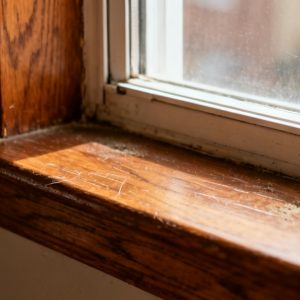
You first run a finger along the bottom edge of the window sash to brush away the dust and tiny dead leaf bits that collected there over the last week. The painted wood sill has a faint water ring from the last time you left the window cracked during a surprise rainshower, a pale brown mark you haven’t gotten around to wiping away with all-purpose cleaner yet. You spot the small, rigid plastic Sill Latch mounted 4 inches in from the left edge of the sill, designed to lock the window fully closed or hold it open at a set, narrow width. You test the current width first, sticking your index finger through the gap between the sash and the sill to see how much space is there now; it’s almost two inches wide, big enough for rain to blow in if the wind picks up even a little after midnight. You can also spot the faint scratch marks on the sash from when the previous tenant tried to force the window open last winter when it was frozen shut, thin white lines that cut through the dark gray paint on the aluminum. The sill also has a small sticker residue mark from a rent increase notice your landlord taped there three months ago, the sticky glue holding on even after you peeled the paper off. The small drainage hole at the far right edge of the sill is mostly clear right now, though you can see a tiny bit of crumb buildup around its edge that you’ll want to wipe away before you finish.
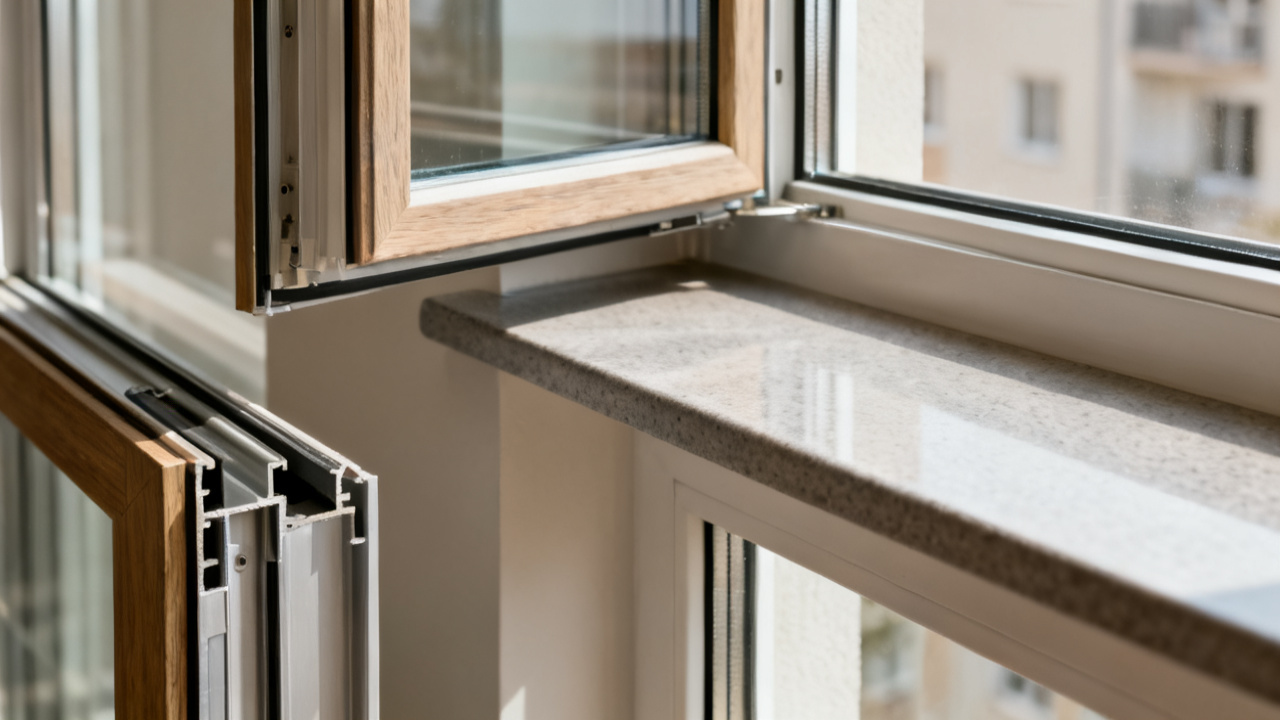
Adjust The Window To The Correct Gap Width
You work slowly to get the fit just right, following a simple set of steps you’ve figured out from doing this same task a dozen times over the last few months:
- First, lift the small plastic latch tab up to disengage it from the notches on the sash’s bottom edge, being careful not to yank too hard so you don’t snap the thin plastic that holds it to the sill.
- Pull the sash down slowly until the gap between its bottom edge and the sill measures just over half an inch, wide enough to let air flow through but narrow enough that wind-driven rain can’t get past the sloped lip of the sill.
- Push the latch tab back down into the closest matching notch on the sash, pressing firmly until you hear a soft click that confirms it’s locked in place so the window won’t slide open further if someone leans against it from the fire escape or a strong gust hits it.
- Tug gently on the top of the sash to make sure it doesn’t move, then run your palm just under the gap to feel the cool air coming through, confirming the flow is still strong enough to cool your hallway overnight without letting in moisture.
- Wipe away any remaining crumbs or dust from the sill with the hem of your sweatshirt, so nothing blocks the small drainage hole at the far right edge that channels any accidental water away from your interior flooring.
Illustrative example: If your window’s drainage hole is clogged with built-up grime, it can hold up to 3 fluid ounces of water before it spills over onto your flooring, so a quick wipe to clear the edge of the hole takes less than 10 seconds and avoids that risk. This fit works for the forecasted 10 mile per hour overnight winds, though if the gusts pick up more than predicted, a small amount of mist might still make its way through, so you tuck the small bath mat you keep by the front door an inch closer to the window edge just in case. You lean in to sniff the air coming through the gap again, catching a hint of someone’s leftover grilled hamburger from the fire escape two floors up, mixed in with the clover and stone scent you noticed earlier.
Next Time You Check Your Hallway Window
You stand up, brushing lint from your sweatpants, and glance back at the window one more time before you head to your bedroom. The gap sits exactly where you set it, cool air curling into the hallway to cut through the stuffy heat that built up while you were at work all day. Next time you do this check, which will be the next time the forecast calls for overnight rain while the evening air is cool enough to leave the window open, you’ll bring a small flathead screwdriver with you to tighten the two small screws that hold the latch to the sill; you notice they’re a little loose, wiggling slightly when you pushed the tab down earlier. You don’t need to fix them tonight, since the latch holds firmly enough for this one night of expected wind and rain, but making that small adjustment will make the latch hold more securely for future use. You’ll also bring a bottle of all-purpose cleaner and a paper towel to wipe away that old water ring on the sill, so it doesn’t set into the paint and become a permanent mark you have to sand out later. When you do that next check, you’ll also take 30 seconds to run a cotton swab through the small drainage hole to clear out any built-up dirt that might be hiding below the surface, so it can carry away water as efficiently as it’s designed to. You can also take a minute to peel away the loose section of weatherstripping at the bottom right corner of the sash and replace it with the extra roll you keep in the junk drawer by your kitchen sink, which will cut down on drafty air in the winter and keep out more rain in the summer. You turn away from the window now, flipping off the hallway light as you go, and the faint sound of crickets from the garden drifts through the gap behind you, soft enough to hear from your bedroom when you lie down. You don’t have to worry about rushing to shut the window if you hear rain start in the middle of the night, since the gap is narrow enough to keep almost all moisture out, and the bath mat will catch any stray mist that gets through if the wind shifts unexpectedly. You’re left with the exact balance you wanted: the cool, sweet night air you crave, and no risk of a messy, waterlogged hallway to clean up when you wake up in the morning.