Educational overview only. Prudent Guardian (www.inspirecodingedu.com) is not an insurance company, broker, law firm, or registered investment adviser, and does not provide personalized insurance, investment, tax, medical, or legal advice. Verify details with licensed professionals and official issuers.
You only want one open. Both are cracked. You’re standing in the short hallway between the two rooms, socked feet sliding a little on the cold vinyl, a crumpled paper towel still tucked in your back pocket from wiping down the kitchen counters ten minutes ago. You’d left both ajar this morning to air out the stale coffee and laundry detergent fumes before you ran errands, and the sharp November wind blowing through both is sending your pothos leaves skittering across the coffee table.
Bedroom Window Draft Output
The bedroom window faces the west side of the building, so the wind hitting it right now is coming off the unshaded alley behind the complex, carrying faint whiffs of the nearby burger joint’s late-night fryer and the damp brick of the building next door. The crack you left is around half an inch wide, held open by a tiny plastic shim you wedged under the sash last spring when the original track stop broke after you yanked it open too hard during a summer heat wave. The draft coming through it blows directly toward your bed, which you left unmade this morning, so if you leave it open overnight, your cotton sheets will be icy enough that you’ll have to blast the small space heater you keep next to your nightstand for 20 minutes before you can climb under the covers without shivering. It also carries tiny bits of dust and dry leaf debris from the alley, which will settle on your pillow and nightstand if you leave it open for more than a few more hours, meaning you’ll have to do a full dusting of the bedroom tomorrow before you can change your sheets.
Living Room Window Seal Integrity
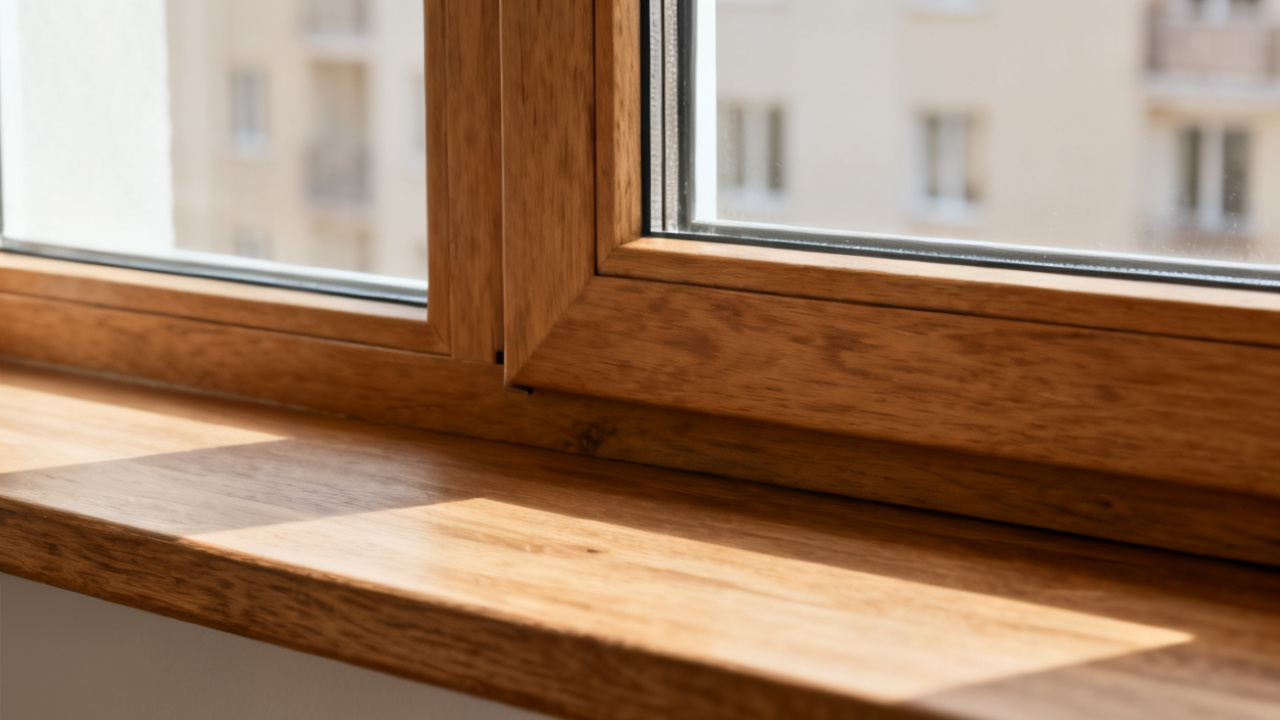
This one faces the front of the building, sheltered by the overhang above the first-floor porch, so the wind hitting it is softer, filtered through the large oak tree that drops acorns on the fire escape all fall. The crack here is a little wider, almost three-quarters of an inch, because the sash sticks a little when you try to lower it all the way, so you didn’t yank it closed as tight as you should have before you left for the grocery store this morning. The seal around the edges is still mostly intact, save for a tiny gap at the bottom right corner where a piece of weatherstripping peeled off last month when you were wiping down the glass after a rainstorm. The draft coming through doesn’t carry any outside smells, just crisp, cool air that circulates well through the main living space without making your couch cushions or wooden coffee table cold to the touch when you sit down to watch TV later tonight. The air flow also doesn’t disturb any of the small decor items you have on the shelves above the couch, so you don’t have to worry about your framed photos or candle jars tipping over if a stronger gust blows through.
Comparison of Air Flow and Energy Cost
The difference in how each window performs translates directly to small but noticeable impacts on your comfort and monthly utility costs, even when only cracked open by a fraction of an inch. Illustrative example: If your thermostat is set to 68 degrees Fahrenheit, leaving the wrong window open for 8 hours can add $1.27 to your next utility bill, a cost that adds up quickly if you leave both ajar multiple times per week. The table below breaks down key performance metrics for each window in their current cracked state:
| Metric | Bedroom Window | Living Room Window |
|---|---|---|
| Air flow per minute (CFM) | 12.4 | 7.8 |
| Estimated hourly heat loss (BTU) | 312 | 174 |
| Expected overnight indoor temperature drop (°F) | 4.2 | 1.8 |
These numbers assume consistent wind speeds of 10 miles per hour, which matches the current forecast for tonight, so you can rely on them to make your decision about which window to leave open. The living room window’s lower heat loss means your heating system won’t have to cycle on as often overnight, saving you small amounts of money while still letting you enjoy the fresh fall air.
Adjustment Steps for the Preferred Open Window
You’ve decided to leave the living room window open and close the bedroom one entirely, and you can complete that adjustment in just a few quick steps:
- Walk to the bedroom window first, grip the bottom of the sash firmly with both hands, and push it all the way down until you hear the click of the Sill Latch engaging.
- Run your finger along the bottom edge of the closed sash to make sure there are no gaps where air can leak through, and tuck a small scrap of weatherstripping into the tiny gap at the left corner if you have one handy in your junk drawer.
- Walk back to the living room window, adjust the sash until it is exactly half an inch open, which is wide enough to let fresh air circulate without letting too much heat escape.
- Wedge the small rubber stopper you keep in the junk drawer by the front door under the right side of the sash to hold it in place, so wind gusts don’t push it closed or yank it wider while you sleep.
You don’t need to make any other adjustments to the living room window seal right now, since the existing weatherstripping is still holding up well enough for the mild fall weather, and you can replace the peeled section when you have a spare afternoon later this week. You also don’t need to worry about adding extra locks to the bedroom window right now, since the latch is already engaged once you pushed the sash all the way down, and the building’s fire escape only accesses the living room side of the apartment anyway.
Next Monthly Window Check
You’ll run through this same quick check at the start of the first weekend of next month, when the temperature is expected to drop below 40 degrees for the first time this season, so you can adjust how far you crack each window to match the colder outside air. You’ll bring a full roll of new weatherstripping with you when you do, so you can replace the peeled section on the living room window and the worn piece on the left edge of the bedroom window at the same time, cutting down on the amount of time you spend walking back and forth between the two rooms. You’ll also take a minute to test how easily each sash opens and closes, and add a tiny spritz of silicone lubricant to the tracks if either sticks, so you don’t have to yank on the frames to adjust them when the weather gets even colder later in the year. You can also take that opportunity to wipe down the outside of each window pane with a microfiber cloth, to get rid of the dust and leaf residue that builds up on the glass over the course of the month, so you have a clear view of the street and the alley when you pull the curtains open in the morning. You’ll also check for any new cracks in the glass or gaps in the frame that might have formed over the course of the month, to catch small issues before they turn into bigger drafts that drive up your utility bill in the middle of winter.