Educational overview only. Prudent Guardian (www.inspirecodingedu.com) is not an insurance company, broker, law firm, or registered investment adviser, and does not provide personalized insurance, investment, tax, medical, or legal advice. Verify details with licensed professionals and official issuers.
You are at the door with your keys. One sash is still up.
You freeze mid-step toward the elevator, your tote slung over one shoulder still heavy with your laptop and the leftover pasta container you forgot to wash last night. The hallway is cold, draft seeping right through the thin seam under your front door, and you know if you leave that sash up, your pothos sitting on the windowsill will be half-frozen by the time you get back after your 9-hour shift. You kick off your scuffed white sneakers, set your tote on the floor by the doorknob, and step back inside to fix it first.
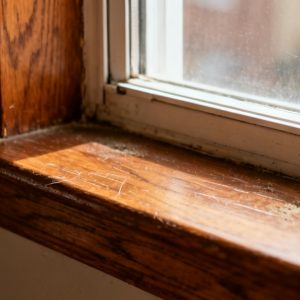
Upper Sliding Window Sash
This sash faces the brick wall of the building next door, so you rarely open it more than a few inches for ventilation, but you cranked it all the way up last night to air out the smell of burnt popcorn you made while binging your favorite show. It’s heavier than you expect when you reach up to grip its lower edge, the vinyl tracks caked with 8 months of accumulated dust and a handful of dead ladybugs that snuck in during the first warm week of spring. You take it slow to avoid yanking it off its track, following a simple process to lower it safely:
- Grip the bottom edge of the sash with both hands, fingers spread evenly across the vinyl frame to avoid putting uneven pressure on a single section of glass.
- Pull straight down at a slow, steady pace, pausing if you feel resistance to brush any loose debris out of the side tracks with your free hand.
- Stop when the bottom edge of the sash sits flush against the lower window frame, no gap visible along the left or right side where air could seep through.
- Wiggle the sash gently side to side to confirm it is seated evenly in the tracks before moving to secure the closure.
You’ve had to replace this window’s glass once before, when your cat knocked a scented candle into it last winter, so you take extra care not to rush the process and risk a repeat of that $200 repair bill.
Silicone Draft Stop Strip
Running your finger along the foam-reinforced silicone strip attached to the bottom of the sash, you notice it’s cracked and peeling at the left corner, where direct afternoon sun hits it every day through the summer months. You have a full replacement roll tucked in the junk drawer by your fridge, a purchase you made on a late-night Amazon scroll three weeks ago that you haven’t gotten around to installing yet. You press along the full length of the strip to smooth out any bunched sections that would leave a gap for cold air or rain to seep through, even if the fix is only temporary. Illustrative example: A 3/16 inch gap under a standard 3-foot-wide sash can increase your monthly heating bill by 12% during the coldest winter months, even if the rest of your windows are fully sealed and your thermostat is set to an efficient 68 degrees. The cracked strip will likely need full replacement before the first snowfall to hold up through consistent temperature swings, so you make a mental note to block off 10 minutes for the project on your next day off.
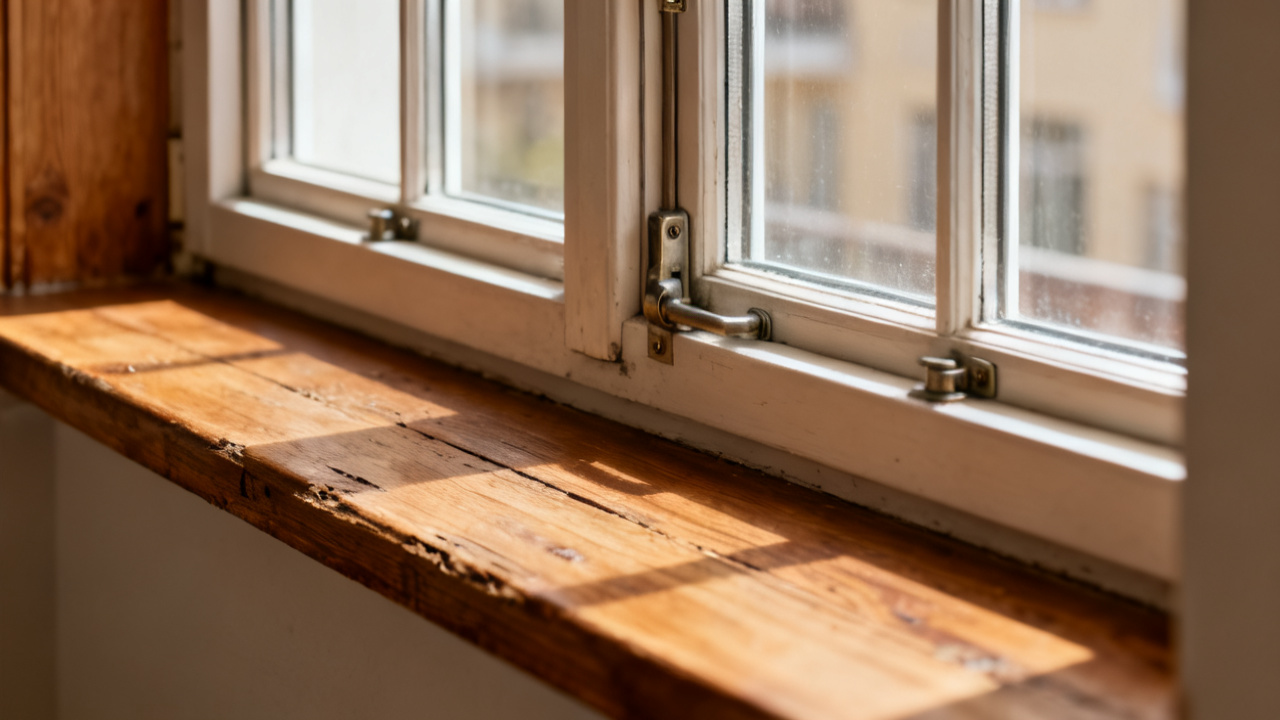
Sill Latch Mechanism
You reach up to the small, brushed metal latch mounted to the center of the upper sash frame, flipping it down so it hooks over the matching catch attached to the top of the lower sash. You give the latch a small, firm tug upward to make sure it’s fully engaged, and it clicks once when it seats properly in the catch. Last week you forgot to engage this latch before leaving for work, and the building’s hallway HVAC system created enough negative pressure to pull the sash up two inches while you were gone, leaving your apartment a frigid 58 degrees when you walked in the door. Your tiny zebra succulent, which sits on the sill right next to the window, had a thin layer of frost on its outer leaves, and it took three weeks for the damaged foliage to grow out. You don’t have to test the latch more than once, the single click is enough confirmation that it will hold the sash in place even if the vents blow extra hard throughout the day.
Locked Window Seal
Press your palm flat against the lower section of the sash glass, leaning in just enough to feel for any cold air seeping through the edges of the frame. You run your hand along the left, right, and top edges of the sash, and no draft hits your skin, which means the seal is holding properly for now. You glance down at your pothos on the sill, its trailing vines draped over the edge of its terracotta pot, and its leaves are already perking up a little now that the cold air isn’t blowing directly on them. You forgot to water it yesterday, so you make a second mental note to fill its small watering can as soon as you get home tonight, before you start making dinner. You don’t press hard against the glass to test the seal, just light pressure is enough to detect any incoming air, so you don’t risk cracking the pane or damaging the frame with too much force.
Completed Pre-Departure Check
Step back from the window, wiping the small smudge of dust you left on the glass off with the sleeve of your gray hoodie. You grab your tote off the floor by the front door, slip your sneakers back on, and jingle your keys in your hand to make sure you didn’t leave them inside on the kitchen counter, a mistake you’ve made twice in the last six months that required you to call the building manager to let you in. You double check that the deadbolt on your front door is ready to lock behind you, and you pat the outer pocket of your tote to confirm your work ID and bus pass are both tucked inside, so you don’t have to fumble through your bag at the bus stop or the office front desk. You only have 7 minutes to get to the bus stop down the block if you want to catch the express bus that gets you to work 10 minutes early, which lets you grab a hot coffee from the office kitchen before the morning rush hits, so you don’t linger any longer than necessary.
Next Pre-Work Walkthrough
The next time you stand at your front door with your keys in your hand, ready to leave for work, you’ll pause for two quick seconds to glance up at the window above the kitchen sink before you step into the hallway. You’ll check that the sash is fully closed, the latch is engaged, and there’s no visible gap along the edges of the frame, the same quick check you did today. If you have an extra 30 seconds that day, you’ll grab the replacement silicone draft strip from the junk drawer and tuck it in your tote, so you remember to install it when you get home that evening to make the seal more secure for the upcoming cold snap. You don’t have to turn the check into a long, complicated routine, just that short two-second glance is enough to save you from coming home to a freezing apartment, water-damaged window sill, or frost-bitten houseplants after a long day at work. You might even add a quick check of the bathroom window to the routine too, since you left that cracked open last month and came home to a window sill full of rainwater that warped the wood under your soap dispenser.