Educational overview only. Prudent Guardian (www.inspirecodingedu.com) is not an insurance company, broker, law firm, or registered investment adviser, and does not provide personalized insurance, investment, tax, medical, or legal advice. Verify details with licensed professionals and official issuers.
Grit sits in the channel. You have not wiped it. Your thumb brushes the frayed edge of the plastic track cover you kicked loose last week, and you can feel the fine layer of dried sidewalk salt and crushed leaf grit under your nail when you pull it back. The hallway nightlight glows faint gold two doors down, and you can hear a cat meow through the closed apartment across from you, no other sound besides the hum of the building boiler in the basement. You don’t want to wake your roommate who’s asleep three feet behind your front door, so you move slow, no sharp tugs that might make the window frame rattle.
Visible Sill Channel Debris
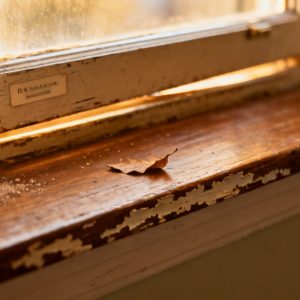
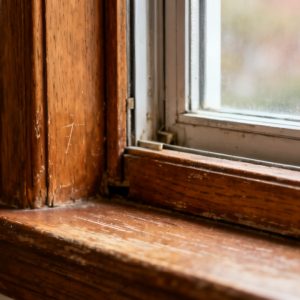
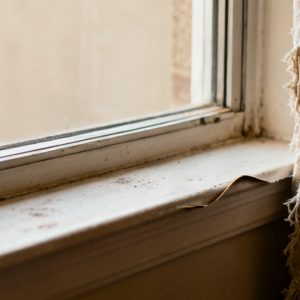
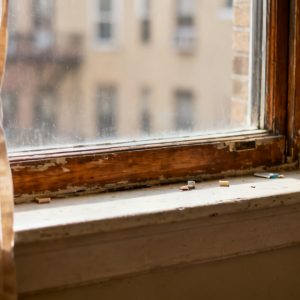
You kneel down so your eyes are level with the bottom of the sliding kitchen window that sticks every time you try to yank it open to vent the smell of last night’s takeout. You tilt your phone flashlight low, and you can make out individual grains of sand stuck in the tacky grease the building maintenance crew sprayed on the track six months ago, mixed with the tiny shards of dry cat litter you tracked in last week after cleaning your cat’s box, and bits of dried dandelion petal that blew in when you left the window open during last month’s warm spell. The buildup is thickest at the far left end of the track, right where the window stops when it’s fully closed, and you can see where the edge of the window frame has scraped a shallow groove through the grit every time someone forced it open instead of clearing the track first. You run a toothpick you grabbed from your kitchen counter along the edge of the buildup, and it clumps into little dark balls that stick to the end of the wood, no crumbing loose, which tells you it’s been compacted by weeks of repeated window movement. You don’t see any rust on the metal edge of the track, which means you haven’t let the buildup sit long enough to trap moisture against the metal and cause permanent pitting, a win for your impulse to stop and do this now instead of putting it off until next weekend. A quick glance up confirms the Sill Latch sits flush against the frame, no blockages around its moving parts that would keep it from catching when you lock the window later.
Targeted Grime Removal
You work slow to avoid making noise, following a simple process that takes less than five minutes total, no special supplies required:
- First, slide the window all the way to the right as far as it moves without forcing, to expose the full length of the left side of the track where most of the buildup sits. If it stops halfway, wiggle it gently up and down as you push, no sharp tugs that might crack the plastic track lining.
- Scoop the bulk of the loose debris out with the edge of a rigid plastic scrap you cut from an empty cereal box last week for small scraping jobs, tilting the edge at a 45-degree angle to avoid scratching the metal or plastic track surface. Brush the clumps of grit into a small paper bag you brought out with you so you don’t leave dust all over the hallway carpet outside your door.
- Dampen the corner of a clean microfiber cloth with warm, soapy water (you mixed a single drop of dish soap in a mug of tap water before you knelt down) and wipe the full length of the exposed track, pressing lightly to lift the remaining thin layer of tacky grease and fine dust stuck to the surface.
- Dry the track completely with the dry end of the microfiber cloth, making sure no moisture remains in the small crevices along the track edges that could trap future grit or cause rust over time.
- Slide the window back and forth three times to dislodge any remaining bits of grit you missed, then wipe up those last bits with the cloth before you finish.
Illustrative example: You might pull out 0.2 ounces of compacted salt and leaf grit from a 3-foot track that hasn’t been cleaned in four months, even if you don’t see obvious buildup when you first glance at the channel. You don’t need to add any new lubricant to the track right now, since the remaining thin layer of maintenance grease is still intact once you wipe the grit off, and adding extra would only attract more dust and debris faster. You stop every 30 seconds to make sure you aren’t making too much noise, and you wave quick when your elderly neighbor steps out of her apartment to grab her mail down the hall, holding up the cloth so she knows you’re just doing a quick household task and not messing with the building’s windows. You don’t rush the process, even if your knee is starting to ache a little from kneeling on the hard linoleum by your front door, since rushing would mean you miss small clumps of grit stuck in the corners that would make the window stick again in a week or two. You check the far right end of the track too, just to make sure there’s no hidden buildup there you didn’t see when you first started, and you scoop out a few tiny bits of dried food that fell off the takeout container you set on the sill last night.
Next Scheduled Track Check
When you stand up and brush the dust off your jeans, the window slides open and closed with barely any pressure, no loud scraping sound, no need to yank on the frame to get it to move past the sticky spot that’s been bugging you for two weeks. You tuck the used microfiber cloth into your laundry basket by the door, throw the paper bag of grit in the trash under your sink, and put the plastic cereal box scrap back in your junk drawer so you have it handy for the next time you need to scrape small buildup off a smooth surface. You make a note on the whiteboard on your fridge to check the track again at the start of next month, right after you pay your rent, so you don’t let the grit build up to the point where the window sticks again. You don’t have to do a full cleaning every time you check, just run a dry cloth along the track to wipe up any loose debris that’s accumulated since the last check, which takes less than 30 seconds if you do it regularly. If you notice a lot of grit building up faster than usual after a heavy rain or a snowstorm, you can do a quick spot check even before your scheduled date, to keep the track clear without doing a full deep clean. You don’t need to buy any special products for the next check, just the same plastic scrap, microfiber cloth, and dish soap you used tonight, all things you already have around your apartment so you don’t have to spend any extra money on specialty cleaning supplies. The window stays closed and locked tight when you test the latch after you finish, no gaps around the edge that would let cold air seep in during the upcoming fall nights, and you can smell the faint scent of the lemon dish soap you used when you stand next to the sill for a minute after you’re done. You lean against the frame for a second, listening to the building hum around you, and you’re glad you stopped to do this small task tonight instead of forcing the window open again and risking cracking the frame or breaking the track entirely, which would mean putting in a maintenance request and waiting three days for someone to come fix it. You turn off your phone flashlight, head into your apartment, and lock the front door behind you, leaving the hallway exactly as you found it, no mess left behind for anyone else to clean up.