Educational overview only. Prudent Guardian (www.inspirecodingedu.com) is not an insurance company, broker, law firm, or registered investment adviser, and does not provide personalized insurance, investment, tax, medical, or legal advice. Verify details with licensed professionals and official issuers.
You turned the latch. You have not put your hand back to the frame. Cool air brushes the back of your wrist where your sleeve rode up, faint enough you almost write it off as the hallway AC kicking on. The old wood window above the fire escape sags just a hair at the left corner, the gap you’ve been meaning to stuff with weatherstripping for three weeks. You shift your weight off the scuffed linoleum step you’re balanced on, fingers hovering an inch from the painted sash edge.
Wrist check for unlatched sash slippage
You run the flat of your wrist along the full length of the sash where it meets the lower frame, moving slow enough to pick up even the faintest cool stream of outdoor air. Most of the edge feels neutral, matching the temperature of the indoor hallway, until you hit the six-inch mark from the left side, where a steady puff of 50-degree October air hits your skin. The latch is in the locked position, but the misaligned sash didn’t pull fully tight when you flipped the lever, leaving a thin, easy-to-miss gap that will hike your building’s heating bill if you leave it unaddressed all winter. You don’t need any special tools for this first pass—your skin is far more sensitive to subtle temperature shifts than a basic household thermometer, especially if you hold your wrist still in one spot for two full seconds to feel for consistent airflow rather than a random draft from the hallway vent near the stairwell door. You can blow out a match held an inch from the frame if you want extra confirmation, but the wrist test is reliable enough for a quick check, no extra supplies required.
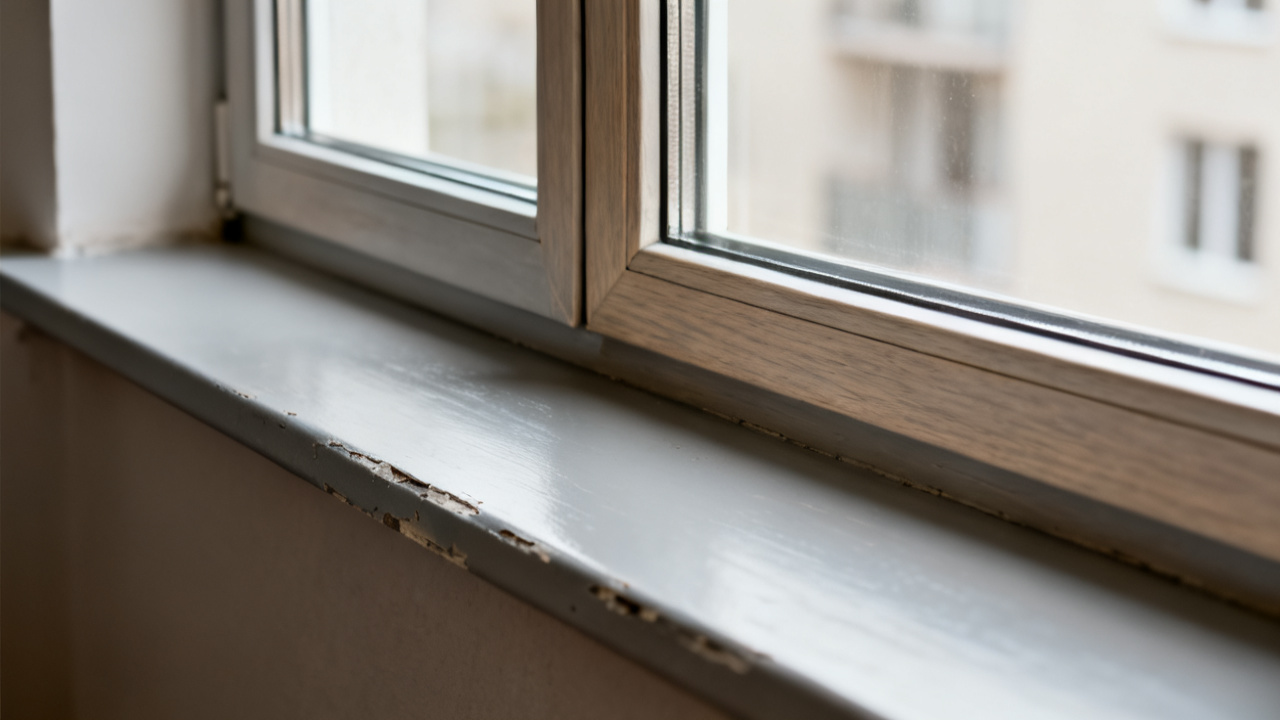
Gap measurement for visible air leaks
Crouch down a little so your eye level is even with the gap, and hold up the end of a standard plastic grocery store loyalty tag to the opening to gauge how wide it is. Illustrative example: A 1/8 inch gap around a single 3-foot wide window lets in the same amount of cold air as leaving a 4-inch diameter hole in your exterior wall all winter. You don’t have to get an exact measurement right now, but noting whether the gap is thinner than a loyalty tag, as thick as a pencil, or wider than your index finger helps you pick the right quick fix before you head back to your unit. If you see light peeking through the gap when you hold a flashlight behind the sash from the fire escape side, that’s a clear sign the seal is compromised enough to cause noticeable temperature shifts in the hallway and the adjacent units on either side of the stairwell. Even a small gap can let in enough moisture to cause mold growth along the sash edge over time, so addressing it now saves you a more complicated cleanup later in the season.
Common seal failure points
You can narrow down the root of the draft by cross-referencing your findings with the most frequent issues that impact old apartment hallway windows, no formal maintenance training required.
| Failure point | Common cause | Quick pre-fix check |
|---|---|---|
| Left sash corner | Warped wood from repeated rain exposure | Lift the sash 1 inch and set it back down firmly before latching to seat it in the frame |
| Latch strike plate | Loose mounting screws from years of sash movement | Wiggle the plate with your thumb to see if it shifts more than 1/16 of an inch |
| Lower frame weatherstripping | Crushed or peeled foam from regular use | Run your finger along the stripping to feel for missing chunks or flattened sections |
The misaligned Sill Latch can pull the sash off kilter if you flip it too fast, so double check that it clicked fully into place before you assume the issue is the wood itself. None of these issues require a full repair right now, but noting which one applies to this window lets you flag it for maintenance if the temporary fix doesn’t hold long term. You can jot a quick note on your phone about the warped left corner if you want, so you don’t have to re-diagnose the issue when you come back for your next check.
Temporary gap block for immediate draft reduction
Grab the folded roll of weatherstripping you stashed in your jacket pocket before you came out to do this check, and cut a 6-inch strip to fit the length of the gap you found. Peel off the adhesive backing, and press the foam strip firmly into the lower frame where the sash sits, making sure it lines up exactly with the spot where the air is coming through. You don’t need to press hard enough to squish the foam completely flat—leave a little bit of give so the sash can still close fully when you re-latch it, but enough that the foam fills the entire gap when the window is locked. Test the seal again with your wrist after you re-latch the sash, running it along the same left corner spot to make sure the cold air is no longer coming through. If you still feel a faint draft, add a second thinner strip of foam directly to the sash edge where it meets the frame, being careful not to cover any of the latch mechanism that would keep the window from opening in an emergency. Wipe any dust or loose paint flecks off the frame before you apply the adhesive, so the foam sticks more reliably until maintenance can address the warped wood.
Next monthly sash latch verification
Mark the second Tuesday of next month on your phone calendar to come back and repeat this full check, when the average outdoor temperature will have dropped another 10 degrees and drafts will be even easier to detect. You won’t need to bring any extra supplies besides the extra weatherstripping you have left in your utility drawer, unless maintenance has come by to fix the warped sash corner in the interim, in which case you’ll only need 60 seconds to run your wrist along the frame and confirm the seal is holding. If you pass the window in the hallway between now and then, you can do a quick 10-second wrist check as you walk by, but you don’t need to stop for a full inspection unless you feel a noticeable draft from several feet away. You can also ask your neighbors on the floor to flag any drafts they notice near the window, since they may pass it more often than you do at different times of day when the wind is stronger. After you finish this check tonight, you can head back to your unit, knowing you cut down on unnecessary heating waste for the whole floor for the next 30 days, with no fancy tools or complicated repairs required.