Educational overview only. Prudent Guardian (www.inspirecodingedu.com) is not an insurance company, broker, law firm, or registered investment adviser, and does not provide personalized insurance, investment, tax, medical, or legal advice. Verify details with licensed professionals and official issuers.
The outer window is loose. The inner one is shut. You’re curled into the cinderblock hallway window sill, rain drumming the glass two inches from your knuckles, the building’s boiler humming three floors down. You’d noticed the rattle through your apartment wall ten minutes earlier, when the wind picked up enough to toss a branch against the fire escape. You grabbed the small flathead screwdriver you keep in your jacket pocket before heading out, no need to fumble for your toolbox for a two-minute fix.
Visible Storm Window Misalignment
You lean in to run a finger along the bottom edge of the loose storm window, feeling the half-inch gap between the frame and the sill where wind is forcing cold rain under the seal. You spot the small latch hook on the right side of the window, pulled half out of its catch from the last time maintenance swapped out the screen for glass three weeks prior. There’s no crack in the glass, no bent frame, just a latch that never got clicked fully into place after the last adjustment, the small metal tab sticking out just far enough that the window shifts every time a gust hits. You can hear the rattle get louder for a second as a wind gust hits the west face of the building, and you spot a few drops of water pooling on the sill that would have seeped into the wall cavity overnight if you hadn’t noticed the sound. If left unaddressed, that small water leak would lead to peeling paint on the sill first, then mold growth in the drywall behind the window that would take days to remediate, all for a fix that takes less than a minute to complete. You run your finger along the latch catch to make sure there’s no dirt or debris built up that would prevent it from seating properly, and it’s clean, no grit or old caulk blocking the opening. The window is otherwise in perfect shape, no signs of wear or damage beyond the misaligned latch, so you don’t need to call maintenance for a more involved repair.
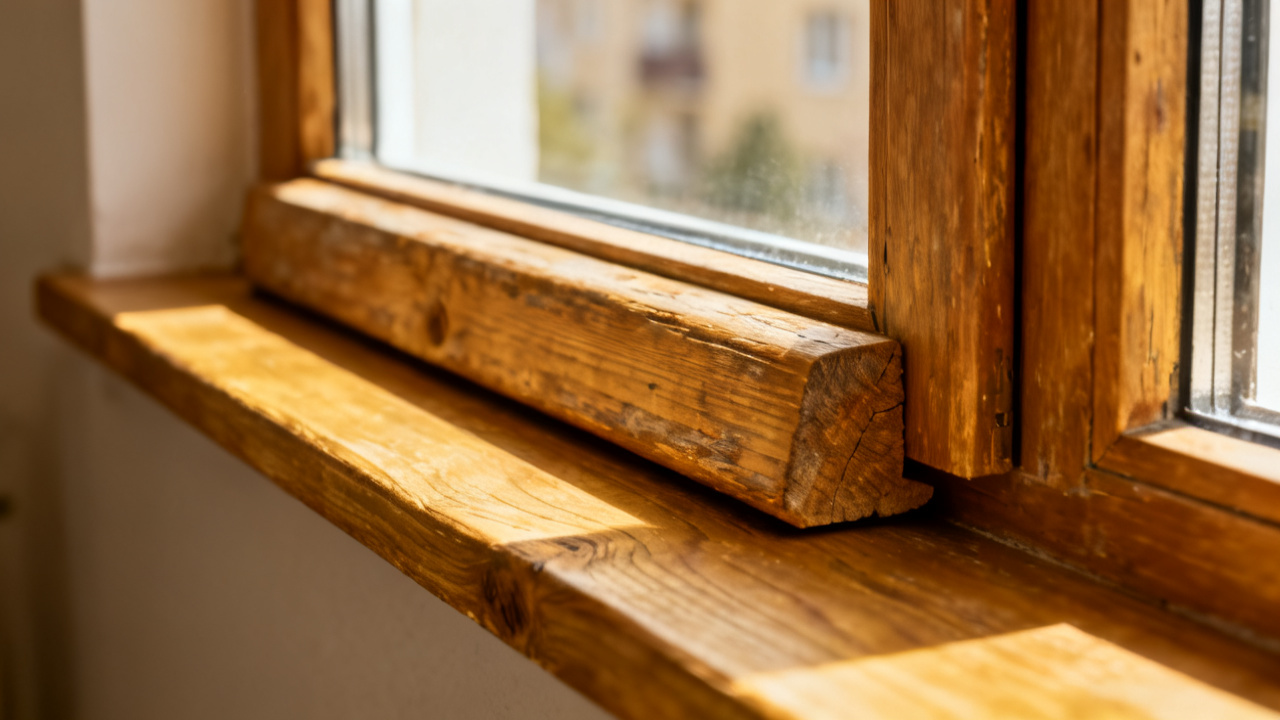
Single Sill Latch Adjustment
The only task you need to complete right now is seating that latch fully, no extra steps required, and you can do it with the small screwdriver you already have on hand. Follow these steps to make the adjustment without scratching the glass or bending the small metal latch:
- Press the palm of your non-dominant hand flat against the center of the storm window, pushing firmly toward the building exterior to close the gap between the window frame and the sill completely, holding it steady so the latch hook lines up perfectly with its catch. You don’t need to push hard enough to bend the frame, just enough to pull the edge of the window flush against the rubber seal along the sill.
- Use the flathead screwdriver in your dominant hand to nudge the small metal latch tab down into the catch until you hear a faint, audible click that confirms it is seated. If the tab doesn’t slide into place easily, adjust the pressure you’re applying to the window slightly to line the hook up with the opening of the catch, no need to force the tab with the screwdriver or you risk bending it.
- Twist the small lock screw on the front of the latch clockwise just enough to hold the tab in place, no need to over-tighten it so it can be easily adjusted again when the seasons change and maintenance swaps the glass back out for a screen in the spring. Illustrative example: a 15-degree clockwise turn of the lock screw is enough to hold the latch secure for most standard 36-inch storm windows installed in this apartment complex, with no need to apply enough force to strip the small metal screw head.
- Pull gently on the top edge of the storm window to test for movement, confirming it does not shift or rattle when you apply light pressure. If it moves at all, the latch is not seated fully, so you can repeat the first three steps to adjust it again until it holds firm.
This adjustment takes less than 60 seconds to complete, and you don’t need any additional supplies or tools to finish it. The latch will hold against typical fall wind gusts for as long as no external force shifts it, with no guarantee of permanent hold, so you can check it periodically if you want, but there’s no urgent need to monitor it closely.
Next Quarterly Storm Window Check
This is the next time you will perform this exact small job, three months from now, on the second Sunday of January, when the first deep cold of winter typically settles into the area and wind gusts are most likely to work loose any improperly seated latches on hallway windows. When you walk away from the window right now, the rattle is completely gone, the small pool of water on the sill is the only sign there was ever an issue, and you can wipe that away with the sleeve of your jacket before you head back to your apartment. The window sits flush against the frame, the latch is fully seated, and no more cold air or rain will seep through the gap into the hallway wall for the time being. You don’t have to report this fix to anyone, it’s a small, trivial adjustment that saves the building maintenance team a trip and prevents potential water damage to the hallway drywall that would require patching and repainting later. For your next check, you can run a quick pass of all four hallway windows on your floor, testing each one for movement and checking that their latches are fully seated, to catch any other misaligned panes before they cause leaks or rattles that disrupt your apartment. You don’t need any special tools for that check, just the same flathead screwdriver you keep in your jacket pocket, and you can run the full check of all four hallway windows on your floor in less than 10 minutes, no need to coordinate with maintenance unless you spot a cracked pane or bent frame that requires professional repair. You can add a reminder to your phone calendar if you want to make sure you don’t forget, but even if you do, you’ll likely hear the familiar rattle through your wall if any window comes loose again before that date. As you turn to walk back to your apartment now, you can hear the rain beat harder against the glass, but there’s no rattle, no shake, just the steady hum of the boiler and the distant sound of a car passing on the street below. You tuck the screwdriver back into your jacket pocket, and you don’t have to think about the window again until your next scheduled check, unless you happen to walk past it earlier and want to give it a quick tug to confirm it’s still seated. Small, low-effort fixes like this prevent far larger, more disruptive work down the line, and you don’t have to put in any extra time or effort to take care of it right now, before the rain gets heavier and the gap allows more water into the hallway. You unlock your apartment door, step inside, and the faint sound of wind against the building is muted through the now-secure window, no rattle cutting through the quiet of your space.