Educational overview only. Prudent Guardian (www.inspirecodingedu.com) is not an insurance company, broker, law firm, or registered investment adviser, and does not provide personalized insurance, investment, tax, medical, or legal advice. Verify details with licensed professionals and official issuers.
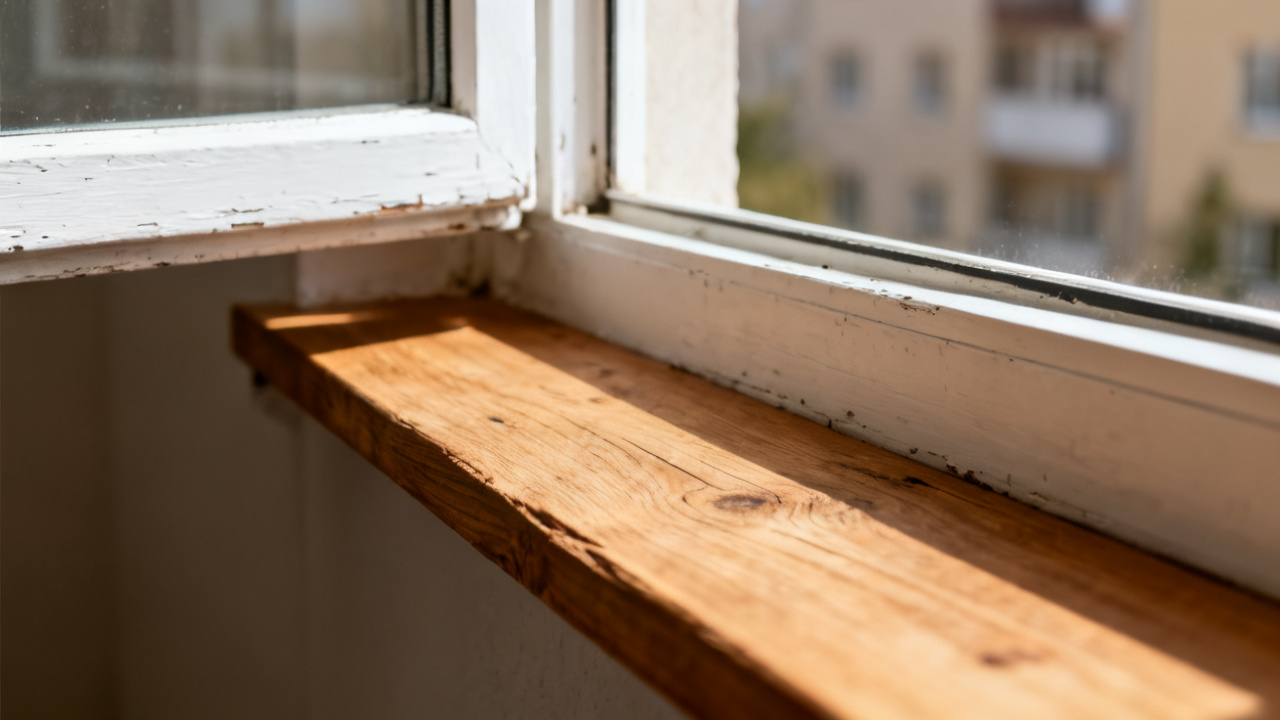
Walking around, the room felt fine. In the chair, your neck is cold. You twist, trying to pinpoint where the cool air is seeping in, and your elbow brushes the window sill above your desk. The temperature difference is immediate; the wood is icy to the touch, even with the double-pane glass installed last spring. A tiny, almost imperceptible gap runs along the length of the lower window frame, right where the latching mechanism is supposed to pull the two sashes tight together.
What You See On The Window Sill
You lean closer, squinting to make out the gap against the white paint of the frame, and grab a thin sheet of printer paper from the stack next to your laptop to test the seal. You run the edge of the paper along the seam between the lower sash and the sill, and it slides through with zero resistance in three separate spots, confirming the seal is broken along those sections. The plastic latch at the center of the sash clicks shut when you push it down, but you can wiggle the sash up and down an eighth of an inch even when it’s locked, because the catch has worn down from years of being slammed shut and jostled during seasonal window cleaning. You spot faint scuff marks on the sill where the sash rubs when it’s shifted out of alignment, left by the previous tenant who never adjusted the hardware after they installed new weatherstripping two winters ago. You’d thought the draft was coming from the gap under the front door earlier in the week, so you bought a foam draft stopper for the entryway, but that didn’t fix the cold spot on your neck, so you’d been confused for days about where the air was coming from. You even held a lit tealight near the window a few nights ago when you thought to test for drafts, but you were standing up at the time, so the air flow was too faint to make the flame flicker, and you wrote off the window as a non-issue. This misaligned Sill Latch is the only source of the draft, no gaps in the weatherstripping, no cracked glass, no leaky caulk around the window frame edges. You reach for the small flathead screwdriver you keep in the junk drawer by the front door, the one you use for prying open battery compartments and tightening loose cabinet knobs, and set it on the sill next to your half-empty mug of chamomile tea.
The One Adjustment You Make Right Now
The fix takes less than two minutes, no special tools or supplies required, just the screwdriver you already pulled out and the sheet of paper you used to test the seal. Follow these steps to get the latch aligned tight enough to seal the gap without making it hard to open and close the window:
- Pop the small plastic cover off the top of the latch assembly on the lower sash, prying gently with the edge of the screwdriver to avoid scratching the white plastic finish.
- Locate the two small adjustment screws on either side of the latch catch, the ones that control how far the catch pulls the sash inward when it’s locked.
- Turn each screw clockwise one full rotation at a time, testing the latch after each turn to make sure it still clicks shut without you having to push or yank on the sash to get it to line up.
- Run the same piece of printer paper along the seam between the sash and sill once you’re happy with the latch tension, confirming it catches on the frame instead of sliding through freely in every spot.
- Snap the plastic cover back onto the latch assembly, wiping away any faint smudges you left on the plastic with the sleeve of your sweatshirt.
Illustrative example: If you turn each screw 3 full rotations before testing, you may find the latch is too tight to close without slamming the sash shut, so you can back each screw out a half turn to get the right balance of a tight seal and smooth operation. This adjustment won’t stop all drafts forever, especially if the window frame shifts as the building settles through seasonal temperature changes, but it addresses the immediate source of the cold air hitting your neck while you sit at your desk. You don’t have to apply any sticky weatherstripping tape that will leave residue on the wood sill when you move out, and you don’t have to put in a maintenance request that will take three days for the property team to get to. You run your palm along the seam once you’re done, and feel no cold air seeping through, even when you press your hand flat against the point where the gap was largest earlier.
Where This Adjustment Sits For Your Next Routine Check
You tuck the screwdriver back into the junk drawer, fold the piece of printer paper and slide it into the front of your planner where you keep small sticky notes and appointment reminders, and sit back down at your desk. Within five minutes, you notice the cold spot on the back of your neck is gone, and you don’t have to hunch your shoulders up to stay warm while you type. You don’t have to rearrange your desk or move your chair away from the window to avoid the draft, so you can keep your potted echeveria on the sill where it gets enough afternoon sun to thrive, its pink edges getting brighter every week as the days get longer. Next time you’re doing your monthly apartment check, the one where you test the smoke detector, wipe down the baseboards, and change the air filter in your HVAC unit, you can pull that same piece of paper out of your planner and run it along the window seam to see if the latch has slipped out of adjustment again. If it has, you already know exactly what to do to fix it in less than two minutes, no need to look up tutorials or buy new supplies. You can also check the other windows in your apartment the same time you check this one, to make sure none of their latches have slipped out of alignment and are letting cold air seep into other parts of the space, like the bedroom window right next to your bed that you always thought was just colder because it faces north. You take a sip of your now lukewarm tea, and notice the rest of the room feels warmer too, because you’re not losing heated air through the tiny gap around the window frame, so your space heater doesn’t kick on every 10 minutes like it did yesterday, saving you a little bit on your utility bill at the end of the month. You don’t have to keep a thick knit blanket draped over the back of your desk chair anymore for when the draft hits, so you can fold it up and put it in the linen closet where it belongs, clearing up a little bit of clutter in your workspace. You go back to typing, no more shivering, no more pausing to rub the cold spot on your neck, and you barely think about the window again until your next routine check rolls around at the start of next month.