Educational overview only. Prudent Guardian (www.inspirecodingedu.com) is not an insurance company, broker, law firm, or registered investment adviser, and does not provide personalized insurance, investment, tax, medical, or legal advice. Verify details with licensed professionals and official issuers.
The metal latch is across the meeting rail. The window will not lift. You’re still holding the stack of flyers you came out to tape to the hallway community board, and the draft coming through the gap at the sill is making the top flyer flutter against your thumb. You’d propped the window open ten minutes earlier to air out the smell of burnt microwave popcorn from your unit, and you’d half expected someone to mess with it when you stepped away. The hallway is empty right now, no neighbors lingering by the mailboxes, so you have a minute to fix it before anyone else tries to yank the window open and snaps the latch.
Visible Latch Orientation
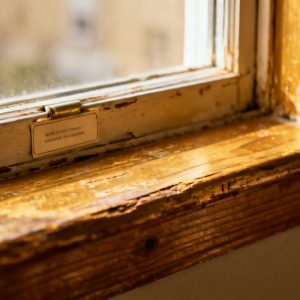
You lean in a little closer to get a clear look at the part causing the jam, no maintenance kit required to spot the issue. The latch is the small, U-shaped galvanized steel piece mounted to the top of the lower window sash, designed to hook over a small metal catch on the bottom of the upper sash when the window is fully closed to lock it for security. Someone flipped it horizontally in the last ten minutes, so it’s sitting straight across the seam where the two sashes meet, instead of tucking into the recessed slot cut into the upper sash’s lower rail when the window is open. You can see the faint scratch marks along the meeting rail where someone already tried to force the window up before giving up, and you can tell no part of the latch is bent, cracked, or stripped—just rotated 180 degrees from its intended position when the window is ajar. The sharp lower edge of the latch is pressing directly against the upper sash’s bottom edge, creating enough friction that even if you put your full weight into lifting the lower sash, it won’t budge more than a quarter inch before catching hard enough to leave a new dent in the wood if you keep pulling. The small Sill Latch plate mounted just below the lower sash has no visible damage, so you don’t have to worry about ordering replacement hardware or putting in a maintenance request for a full window repair right now.
Quick Latch Correction
You don’t need any special tools to fix this misalignment, just 10 seconds of free time and a light touch. The adjustment process is simple enough that you can do it without putting down your flyers for long, and you won’t risk breaking any part of the window if you follow these steps in order:
- Set your stack of flyers on the narrow, dust-dusted windowsill to free both hands, and brush any crumbs of dried popcorn or loose hallway lint off the edge of the meeting rail so you have a clear work area with no debris that could get stuck in the latch’s spring mechanism.
- Grip the curved top of the latch between your thumb and index finger, applying firm but gentle pressure away from the upper sash to release the small tension spring that holds it in its pre-set positions. You don’t need to squeeze hard enough to bend the thin steel, just enough to disengage the small plastic nub on the back of the latch from its current position hole in the mounting plate.
- Rotate the latch 180 degrees toward the interior of the hallway, so the curved edge faces the painted cinder block wall instead of the upper sash, until you feel the small nub click into the second position hole on the mounting plate, letting you know it’s locked into its new spot.
- Test the lower sash by lifting it slowly upward to confirm it moves freely along its track, stopping it at the six-inch open position you’d set earlier to keep small children from leaning out too far if they wander the hallway unsupervised while their parents carry in groceries.
- Wipe a faint smudge of finger grease off the front of the latch with the edge of your gray hoodie sleeve so no one can tell you adjusted it, then pick your stack of flyers back up and straighten the top page that fluttered off the pile while you worked.
Illustrative example: The tension spring on most apartment hallway window latches requires roughly 1.2 pounds of pressure to disengage, so you don’t have to yank or pry at the metal with a key or butter knife to get it to move, which cuts down on the risk of scratching the paint or bending the latch entirely. You know this adjustment won’t keep someone from flipping the latch the wrong way again later, especially if kids are playing in the hallway or a tenant who’s never used this style of window tries to lock it when they leave, but it solves the immediate issue without any extra cost or waiting for maintenance to show up. If the latch ever feels stiffer than usual when you try to adjust it, you can spray a tiny bit of silicone lubricant on the spring mechanism to loosen it up, but you don’t need to do that for this specific fix.
Future Latch Check
When you walk away from the window now, the latch sits tucked flush against the lower sash’s top rail, clear of the meeting seam between the two sashes, and the window stays propped open at your preferred height, letting the acrid burnt popcorn smell filter out steadily while you walk over to the community board to tape up your flyers. You don’t have to give the window a second thought for the rest of the night, but you’ll run this exact check again the next time you come out to prop the window open after cooking something pungent, or after a neighbor sends a message to the building group chat complaining the hallway window won’t open again. You don’t have to schedule a formal, recurring check to make sure the latch is aligned correctly, just a quick 2-second glance at the latch whenever you pass the window on your way to the mailboxes, the laundry room, or the stairwell, to make sure no one has flipped it back into the blocking position. If you notice it’s misaligned again, you can run through the same quick adjustment in 10 seconds or less, no tools required, and you won’t have to stop whatever errand you’re running for more than a minute to fix it. You can also point out the simple adjustment trick to any neighbor you see struggling with the window, so they don’t have to wait for maintenance to come fix a simple misalignment that takes almost no time to correct, and they won’t accidentally break the latch by yanking too hard on the sash trying to force it open. You’ll also do a quick check the morning after the building potluck, when you know a lot of people will be coming and going through the hallway carrying leftover containers, and someone might try to close the window all the way and flip the latch without realizing they’re putting it in the wrong position for anyone who wants to open it later. That quick check will take you less time than unlocking your apartment door, and it will keep the hallway from getting stuffy when the weather warms up in the afternoon. You don’t have to take responsibility for the window permanently, but a quick glance every few days will save you and your neighbors the hassle of dealing with a stuck window when you need fresh air the most. Even if you only check when you’re already walking past, you’ll avoid the frustration of showing up to air out your unit after a cooking mishap and finding the window jammed shut again, and you won’t have to waste time troubleshooting the same simple issue over and over.